What should you eat before a long drive?
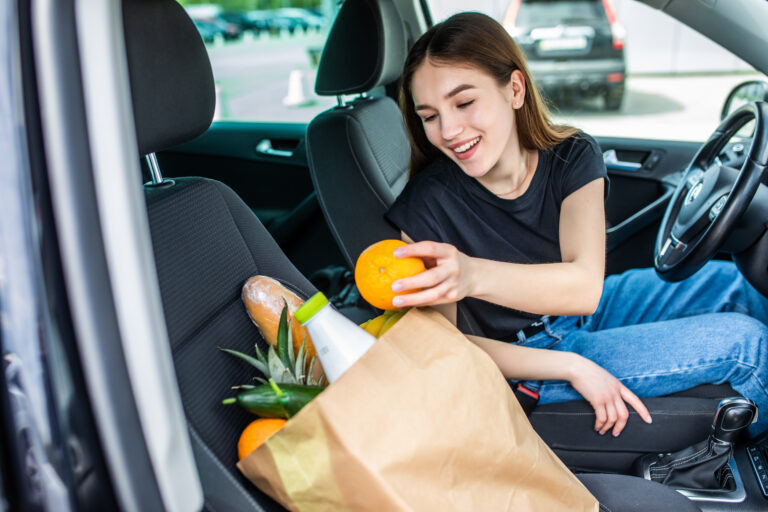
When you think about it, there are a lot of factors involved in driving safely. You need to
control the car, pay attention to the road, be alert for hazards and block out the noise levels
of any passengers. It’s no wonder, then, that long drives can leave us feeling tired and
irritable, perhaps accompanied by a headache and eye strain.
However, sometimes long drives are necessary. You may drive for work, be travelling to visit
family or friends, or even be heading off on an exciting holiday. So how can you keep your
energy levels up, and avoid the unwanted effects that come with an exceptionally long drive?
Firstly, it’s important to take regular breaks. Whilst you might feel confident in your ability to
keep going, especially with cruise control, research shows that 36% of people say that tiredness hits them suddenly whilst behind the wheel. Therefore, it’s vital that you plan to
stop during your journey and have a short rest.
Secondly, what you eat can directly affect your energy levels, meaning that it’s important to
plan your meals ahead of time. In order to reap the benefits of both a restful stop and
nutritious food, many drivers choose to stock up on snacks prior to setting off, that they can
then eat during each break.
Got a long drive coming up? Let’s look at what should be on your plate before you set off.
Slow release energy foods
Carbohydrates are an essential source of energy for the body, but not all carbs are made
equal. Slow-release carbohydrates provide a slow and steady stream of energy throughout
the day, since they’re absorbed at a steadier rate. In contrast, simple carbohydrates can give
you an energy spike, but then leave you feeling tired and hungry relatively quickly.
Examples of slow release foods include bananas, peas, beans, lentils, brown rice, quinoa
and sweet potatoes.
Dark chocolate
If you’ve got a sweet tooth, you’ll be pleased to know that dark chocolate is the perfect car
snack. It contains far higher levels of cocoa than other chocolates, which increases the blood
flow in the body and sends oxygen to your brain and muscles, reducing tiredness and
boosting your concentration. It’s also full of antioxidants and minerals, unlike its high-sugar
milk counterpart.
This doesn’t mean that you can just munch your way through several bars, unfortunately.
Like most foods, it’s still best consumed in moderation.
Eggs
If you’re heading off on a long drive first thing in the morning, you’re unlikely to want to eat a
bowl of brown rice, or a few squares of chocolate. Fortunately, eggs have also been shown
to boost energy levels, meaning you can enjoy a tasty omelette or plate of scrambled eggs
before you set off. They offer slow release energy, too, as the proteins in them don’t spike
your blood sugar, leaving you feeling fuller for longer.
Things to avoid late in the day
If your long journey means that you’ll be driving in the evening, it can be hard to stay awake
as the sun dips. When stopping at service stations, it’s tempting to grab a quick bite to eat,
but you should be careful what you choose.
Foods like pizza, milk chocolate, and white pasta can all raise your blood sugar levels,
helping you feel more awake, but without the slow release, meaning you’ll feel tired shortly
after. Try and steer clear of these if you still have multiple miles to go.